June 12, 2026
Maintaining a household gutter system is a critical yet frequently overlooked aspect of homeownership. Properly functioning channels direct rainwater and melted snow away from the roof and foundation, preventing costly complications like soil erosion and basement flooding. When these systems are neglected, structural integrity becomes compromised, making routine inspection and timely gutter services a wise financial decision.
Identifying potential system failures early allows homeowners to implement preventive measures before minor issues escalate into major remediation projects. This guide outlines key indicators of system deterioration, including visible overflow, pooling water, structural detachment, sagging, and seasonal ice damage. Recognizing these signs empowers individuals to safeguard their properties from long-term water infiltration.
Failing to monitor the health of these water-routing channels often leads to unforeseen issues that extend well beyond the roofline. Moisture can easily find its way into attic spaces, compromise interior drywall, and degrade insulation efficiency. By prioritizing regular evaluations, property owners can maintain a dry, secure living space while optimizing the overall longevity of their housing investments.
Recognizing Overflow Challenges
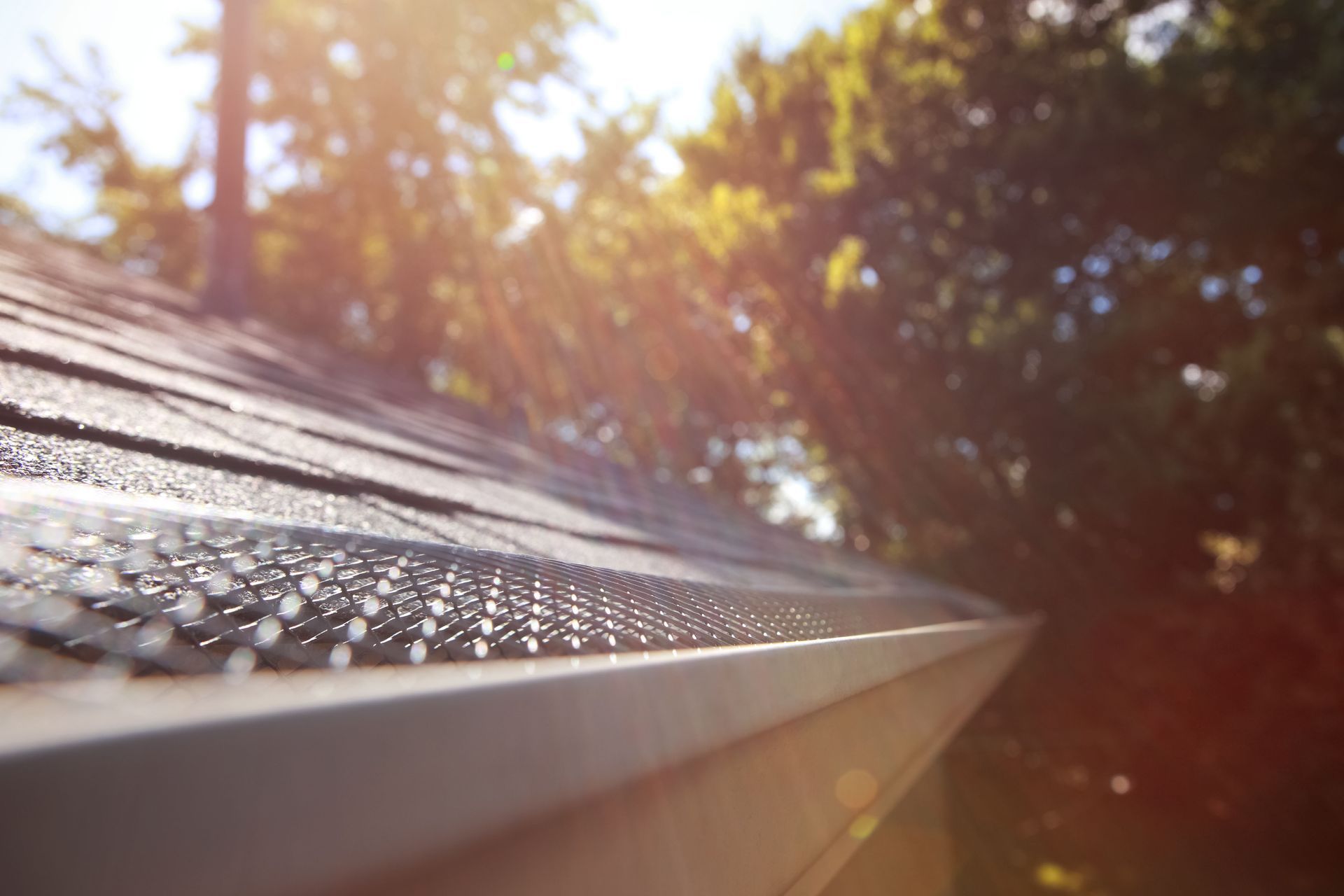
Spilling water indicates that a system is clogged by leaves, twigs, or accumulated sediment. When debris blocks the natural flow, water pools near the foundation, which can weaken the concrete base and cause shifting or cracking over time. According to a United States market analysis by Mordor Intelligence, aluminum continues to dominate, commanding a 51.82% share of the gutter guard market, demonstrating a significant consumer trend toward preventative clogging solutions.
Visible plant growth is another definitive indicator of advanced debris accumulation. Rotting organic material creates a fertile environment for seeds to germinate, creating natural blockages that impede water traversal. The added weight of trapped soil and vegetation puts immense strain on the fascia boards, eventually leading to sagging or complete hardware failure if the channels are not cleaned promptly.
Stains, streaks, and peeling paint on exterior siding reveal that water is cascading over the edges rather than through the downspouts. This continuous moisture exposure slowly erodes building materials and warps wood siding. Utilizing professional gutter services ensures that seams are resealed, blockages are extracted, and appropriate pitches are established to preserve the aesthetic and structural health of the exterior walls.
Managing Persistent Leaks
Persistent puddles forming near the base of a home serve as an unmistakable sign of leaking joints or cracks. When water escapes the channeling system prematurely, it saturates the surrounding soil, increasing hydrostatic pressure against basement walls. Addressing these leaks through sealing or sectional replacement prevents water from seeping into internal crawlspaces and living areas.
Rust and corrosion on metal components signal advanced material degradation that inevitably leads to punctures. Ongoing oxidative reactions weaken the steel or galvanized metal, creating tiny holes that expand during heavy downpours. Applying protective coatings or upgrading to modern seamless aluminum configurations helps eliminate these weak links and prolongs the operational lifespan of the installation.
Dripping during light rainfall confirms that even minor precipitation cannot be routed successfully due to faulty seals or internal obstructions. These small, steady leaks contribute to localized soil erosion beneath the drip line, washing away landscaping and destabilizing foundation beds. Routine maintenance checks help identify these structural breaches before they result in widespread foundation settling.
Another warning sign is the appearance of mold or mildew near exterior walls and foundation areas. Excess moisture caused by leaking gutters creates ideal conditions for fungal growth, which can spread quickly and affect nearby building materials. In addition to damaging surfaces, mold can contribute to poor indoor air quality if moisture infiltrates interior spaces. Scheduling professional gutter services helps eliminate these moisture sources and protects both the home's structure and overall living environment.
Addressing Structural Detachment
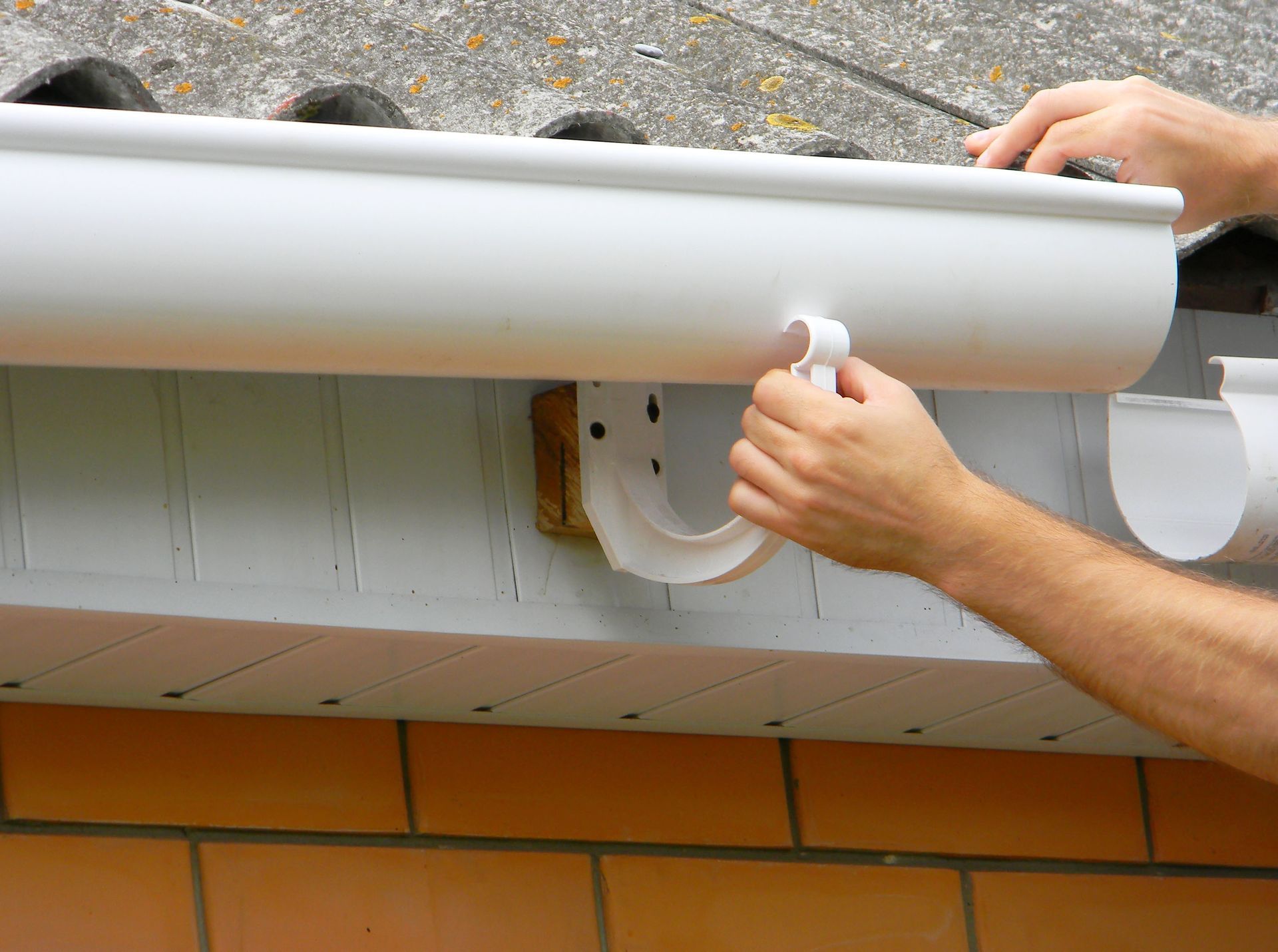
Separating channels from the roof edge indicates a critical hardware failure where fasteners have pulled loose from the fascia. This gap allows rainwater to flow directly down behind the system, rotting the wooden support structures and inviting mold growth. Immediate reattachment is necessary to prevent the entire network from collapsing under the weight of future rainfall.
Loose, backed-out, or rusted screws and hangers compromise the structural stability of the entire perimeter. When fasteners lose their grip, the system sags and loses its engineered slope, which prevents water from flowing efficiently toward the downspouts. Replacing outdated hardware with heavy-duty hidden hangers secures the installation against heavy wind and snow loads.
Incorrect pitching causes water to back up and stagnate within the channels instead of draining. Gutters must slope accurately toward downspouts to ensure continuous drainage; otherwise, standing water attracts mosquitoes, accelerates rust, and triggers mid-section sagging. Professional adjustments correct these alignment errors, ensuring efficient fluid dynamics across the entire roofline.
Identifying Sagging Risks
Bending profiles occur when heavy debris, standing water, or ice loads exceed the load-bearing capacity of the support brackets. This physical distortion warps the channels, preventing them from catching runoff effectively and causing localized overflows. Straightening or replacing warped sections restores the necessary alignment required for reliable water management.
Fascia rot occurs when water spills backward over detached or clogged channels, soaking the wooden trim boards. Over time, the wood softens and loses its structural integrity, making it impossible to hold gutter fasteners securely in place. Remediating this issue requires replacing the compromised timber before reinstalling the water-routing hardware.
Inadequate bracket spacing leaves long sections of the system unsupported, making them highly susceptible to bowing under minimal weight loads. Spacing supports too far apart causes the channels to flex and dip between attachment points, leading to localized pooling. Installing additional brackets at regular intervals reinforces the framework against environmental stressors.
Preventing Seasonal Obstructions
Forming ice dams along the roof line during freezing weather indicates that heat loss from the attic is melting snow, which then refreezes in cold gutters. This ice buildup blocks subsequent runoff, forcing water backward under the shingles where it leaks into ceilings and walls. Ensuring clean channels and proper attic insulation helps mitigate this winter hazard.
Heavy snow loads can warp or completely detach unprotected drainage systems from the roofline. The immense weight of frozen precipitation pulls hangers out of the fascia, bending the aluminum profiles beyond repair. Implementing professional gutter services before the winter ensures that the brackets are reinforced to withstand severe winter weather conditions.
Pest nesting often occurs when stagnant water and organic debris left over from autumn attract birds, rodents, and insects. These creatures build nests that completely block downspout openings, rendering the entire system useless during the next thaw. Installing durable protective guards deters wildlife entry and maintains an unobstructed pathway for seasonal meltwater.
Seasonal inspections are particularly important after major weather events. Strong winds can dislodge sections of the system, while heavy rainfall may reveal drainage deficiencies that were previously unnoticed. By conducting routine evaluations in the spring and fall, homeowners can ensure that their gutters remain capable of handling changing weather conditions throughout the year. Consistent maintenance improves system efficiency, extends service life, and provides peace of mind knowing that the property is protected from preventable water-related damage.
Safeguarding a home from water-related damage requires consistent oversight of the roof drainage system. Ignoring physical warning signs like overflowing, leaking, structural detachment, sagging, and seasonal freezing can lead to foundation failure, rotting wood, and mold growth. Investing in regular maintenance and timely upgrades ensures that rainwater is redirected safely away from vulnerable property structures. For more information about the services that we offer, reach out to our incredible team at AAA Guttering today!